

Brow Lift (Forehead Lift)
Surgical repositioning of the brow individualized to your anatomy, your hairline, and what your face actually needs.
The brow is one of the most expressive features of the human face. Its position and shape communicate mood, energy, and youth. A well-positioned brow conveys alertness and vitality, while a descended brow can make a person look perpetually tired, heavy, or even angry, regardless of how they actually feel. When the brow has descended beyond what injectables can adequately address, a brow lift offers a surgical solution that is precise, lasting, and, in experienced hands, entirely natural looking.
Dr. June Yoo approaches every brow lift with a careful eye for what is driving the patient's concern. Brow ptosis is frequently mistaken for excess upper eyelid skin, and treating the eyelid without first correcting the brow position is one of the most common planning errors in periorbital surgery. A thorough preoperative evaluation is the foundation of a result that looks right for you.
What is Brow Lift?
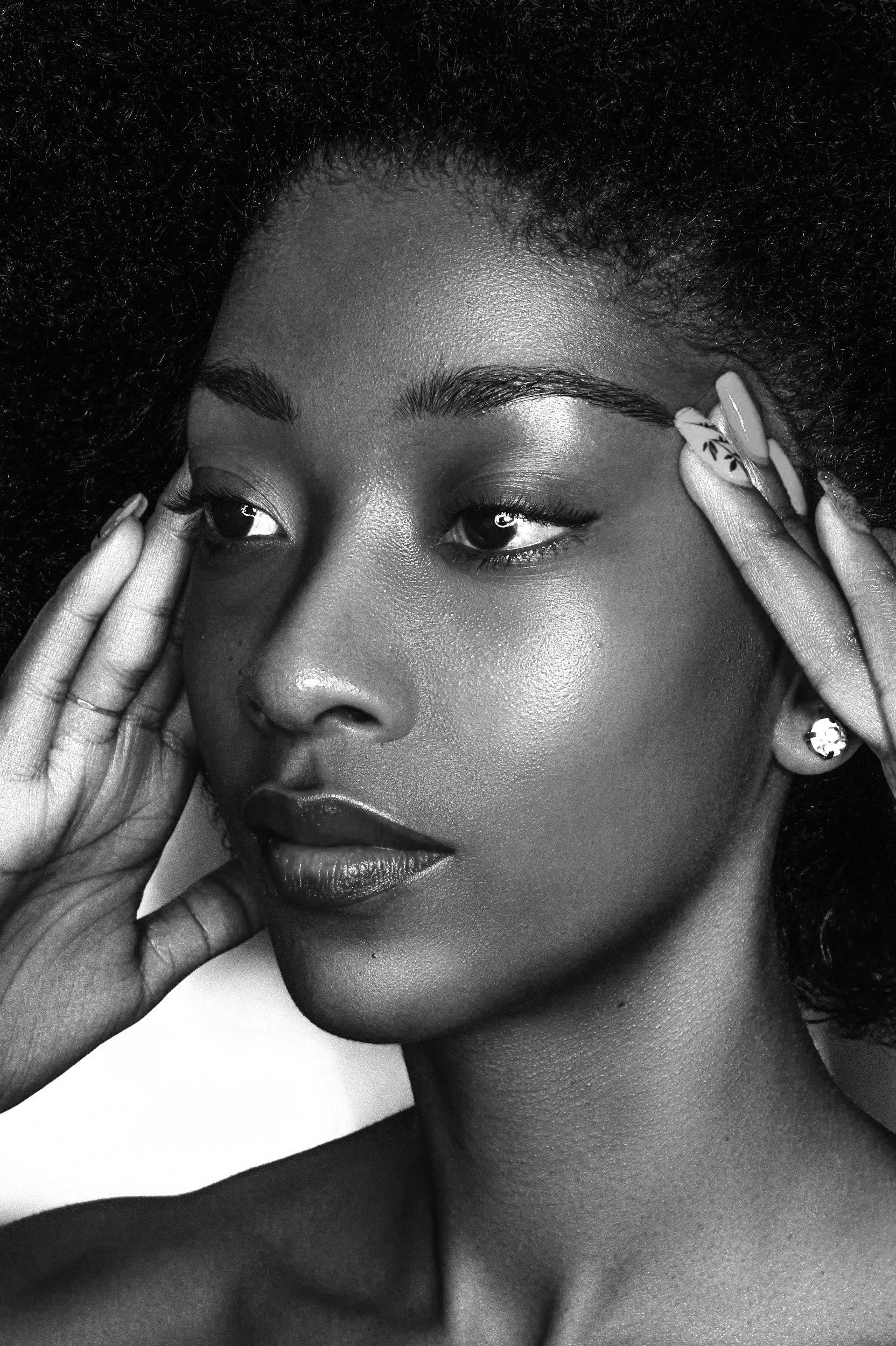
A brow lift, also known as a forehead lift or browplasty, is a surgical procedure that elevates a descended brow to a more youthful and anatomically appropriate position on the face. It addresses the structural changes of upper facial aging: brow descent, lateral hooding caused by a low brow tail, forehead laxity, and in some techniques the dynamic creases created by the corrugator and procerus muscles between the brows.
Brow lift surgery can meaningfully open the upper face, restore a more rested and pleasant resting expression, and — when brow descent has contributed to upper eyelid heaviness — reduce the actual amount of skin that needs to be removed from the upper eyelid. In patients with significant brow ptosis causing visual field obstruction, brow lifting may also carry functional indications.
Accurate diagnosis before brow lift surgery is essential. Several conditions can produce a similar appearance of upper eyelid heaviness, and each requires a different solution:
True dermatochalasis is excess upper eyelid skin that rests against or below the lash line. It originates from the eyelid itself and is addressed with upper blepharoplasty.
Brow ptosis is descent of the eyebrow from its normal anatomic position. It loads additional soft tissue weight onto the upper eyelid, creating the appearance of excess eyelid skin that is actually driven by the brow's position. Treating the eyelid alone in this setting will produce an inadequate result and may accelerate the apparent need for repeat surgery.
Frontalis compensation occurs when a patient with underlying brow ptosis chronically contracts the frontalis muscle to hold the brow up — producing forehead rhytids and a resting brow position that appears higher than it actually is. Accurate brow position must be assessed with the frontalis fully relaxed, which is achieved by having the patient close their eyes and gently massage the brow downward before measurement.
Combined pathology — brow ptosis, dermatochalasis, and true upper eyelid ptosis — frequently coexist. A brow lift, blepharoplasty, and levator repair may all be indicated in the same patient, requiring careful sequencing and planning.
Dr. Yoo evaluates all of these components systematically before recommending any surgical approach. The most common planning error in upper facial surgery is treating upper eyelid skin when the true problem is brow descent — and Dr. Yoo's assessment is designed specifically to avoid that mistake.
Understanding Brow Ptosis: What Is Actually Drooping?
Ideal Brow Position: What We Are Aiming For
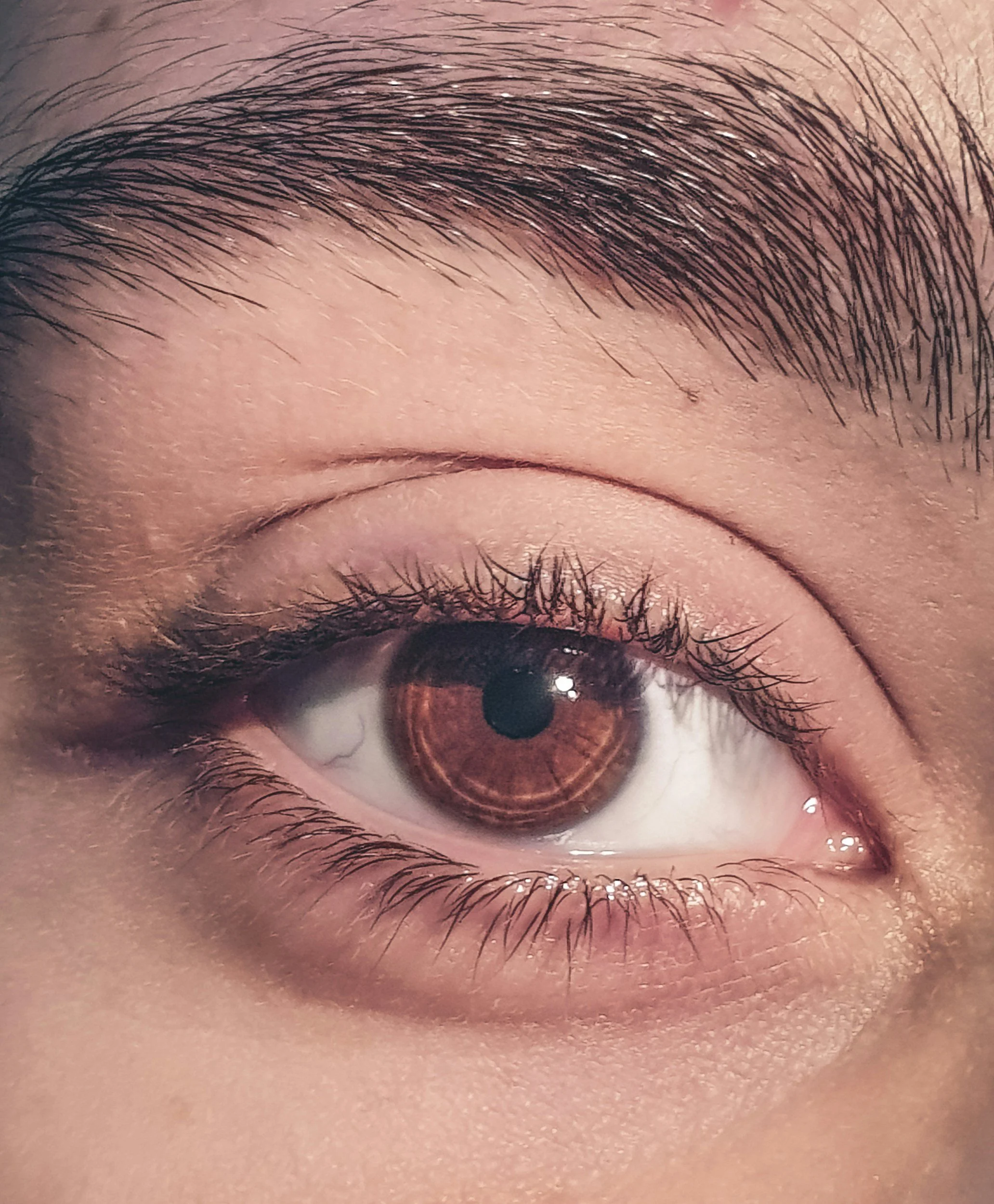
Brow aesthetics are highly individual and culturally influenced — there is no universal ideal. That said, well-established anatomic reference points guide the surgical plan:
In women, the brow typically arches above the supraorbital rim, with the apex of the arch positioned near or just lateral to the lateral limbus of the eye. A gentle upward sweep toward the tail of the brow is characteristic of the feminine brow.
In men, the brow tends to sit at or just at the level of the supraorbital rim, with a flatter, less arched contour. Overly elevating a male brow produces an unnatural, feminized result that should be avoided.
Brow position is also intimately tied to emotional expression. A low lateral brow communicates sadness or concern. Excessively elevated brows communicate surprise. The goal of brow lifting is to restore the brow to a position that reads as rested and natural.

Brow Lift Techniques
Technique selection depends on your hairline position, degree and location of brow ptosis, skin quality, and goals. Dr. Yoo will discuss the options most appropriate for your anatomy during your consultation.
-
The endoscopic brow lift is currently the most commonly performed and widely favored approach for brow rejuvenation. It uses several small incisions placed within the hairline through which an endoscope and surgical instruments are introduced. The procedure is performed in the subperiosteal plane, releasing the key ligamentous attachments that tether the brow in its descended position and allowing it to be repositioned and fixed at a higher level.
The endoscopic approach offers meaningful advantages over open techniques: smaller incisions, no visible scalp scar, preservation of scalp sensation behind the incision line, and a shorter recovery. It does not elevate the hairline — an important consideration for patients who already have a high forehead.
In large series of endoscopic brow lifts, complication rates are low — a Massachusetts Eye and Ear series of 312 procedures reported an overall complication rate of 0.6%, with a revision rate of 1.9%.
-
The pretrichial approach uses an incision placed at the anterior hairline. This technique is particularly well-suited for patients with a high forehead, as it allows brow elevation without the additional hairline rise that can accompany endoscopic or coronal approaches. The incision, when closed carefully, heals as a fine line at the hairline and is typically well-concealed.
The tradeoff is a visible scar along the hairline that requires thoughtful patient selection and meticulous closure. Patients with a low hairline, abundant hair density, or a history of heavy scarring are generally better served by the endoscopic approach. Patients who wear bangs may find the scar easily concealed.
-
Direct brow lift involves an incision placed immediately above the brow, allowing very precise brow elevation at the cost of a scar near the brow itself. It is most commonly used in male patients with deep forehead rhytids that can camouflage the incision.
The temporal brow lift uses a small incision in the temporal hairline to elevate the lateral brow and tail specifically, without addressing the medial brow. It is appropriate for patients whose primary concern is lateral hooding from a low brow tail, rather than global brow descent.
The Relationship Between Brow Lift and Blepharoplasty
Brow lift and upper blepharoplasty are closely related procedures that are frequently performed together, but they are not interchangeable, and the distinction matters.
When brow ptosis is the primary driver of upper eyelid heaviness, addressing the brow first allows a more conservative and accurate excision of upper eyelid skin. Performing upper blepharoplasty without correcting the brow in a patient with significant brow ptosis can result in insufficient improvement, an unnatural appearance, and the need for revision surgery sooner than expected.
When true dermatochalasis is the primary concern and brow position is adequate, blepharoplasty alone is appropriate. Dr. Yoo's preoperative evaluation is specifically designed to distinguish between these scenarios and to recommend the approach that will produce the most accurate and lasting result.
Am I a Good Candidate?
You may be a good candidate for brow lift surgery if you:
Notice your brows sitting lower than they once did, particularly at the outer corners
Experience heaviness or hooding of the upper eyelids that appears to be driven by brow descent rather than eyelid skin alone
Have a tired, angry, or sad resting expression that does not reflect how you feel
Have forehead lines caused by chronic frontalis muscle overactivity to compensate for brow descent
Are in good overall health and a non-smoker, or willing to stop smoking well in advance of surgery
Have realistic expectations for a natural, refreshed result, not an excessively elevated or arched appearance
Brow lifting is not appropriate for patients whose upper eyelid heaviness is caused entirely by true dermatochalasis with an adequate brow position. In that setting, upper blepharoplasty is the more accurate solution.
Recovery & Results
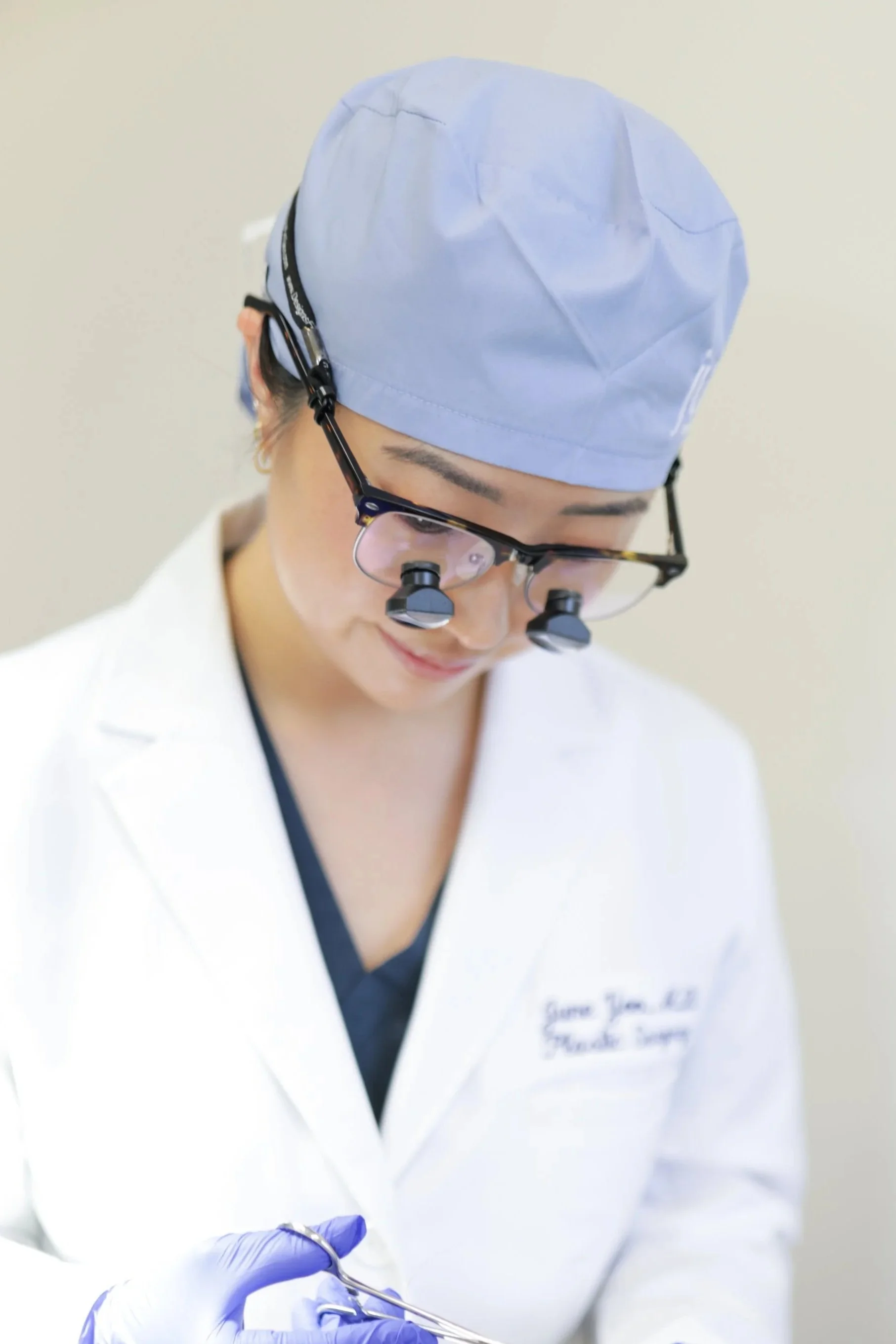
Brow lift surgery is performed under general anesthesia or sedation on an outpatient basis, typically taking one to two hours depending on the technique and whether concurrent procedures are performed.
Swelling and bruising in the forehead and periorbital region are expected in the first one to two weeks and resolve gradually. Temporary scalp numbness posterior to the incision is common and typically improves over weeks to months, though some degree of numbness may persist longer — particularly with open techniques. Most patients are comfortable returning to light activity within one week and to social settings within two weeks, as bruising and swelling reach a manageable level.
Results from brow lift surgery are long-lasting. The endoscopic approach produces sustained, measurable brow elevation that is well-maintained over time, though the natural aging process continues. Most patients enjoy their results for seven to ten years before additional rejuvenation is considered.

Your consultation with Dr. Yoo
Your brow lift consultation begins with a comprehensive evaluation of the upper third of your face. Dr. Yoo will assess your brow position with the frontalis fully relaxed, evaluate the degree and distribution of brow descent, distinguish true dermatochalasis from brow-related pseudoptosis, assess your hairline position, and discuss what each technique can realistically achieve for your anatomy.
Key decisions you will make together include:
Whether brow lift, blepharoplasty, or a combination is the appropriate solution for your specific anatomy
Technique selection — endoscopic, pretrichial, direct, or temporal — based on your hairline, degree of ptosis, and goals
Whether corrugator or procerus muscle modification is appropriate to soften the glabellar frown lines
Aesthetic targets — including brow height, shape, and arch contour — tailored to your facial anatomy and gender
Frequently Asked Questions
-
This is one of the most important questions in upper facial surgery — and one that requires a careful in-person evaluation to answer accurately. Dr. Yoo will perform a targeted exam to determine which procedures would best suit your aesthetic goals.
-
After healing is complete, it should not. Dr. Yoo's approach targets restoring the brow to an anatomically appropriate and individually flattering position. The goal is a rested, natural appearance, not a visibly operated one.
-
Brow lift surgery reduces the need for chronic frontalis overactivity that drives forehead wrinkles in patients with compensated brow ptosis — which can soften these lines over time. Surface wrinkles caused by sun damage and skin aging are better addressed with laser resurfacing, chemical peels, or neuromodulators.
-
The frontal branch of the facial nerve, which innervates the frontalis muscle, is the most important nerve to protect in brow lift surgery. Injury to this branch can cause weakness or inability to elevate the brow on the affected side. In experienced hands, with careful attention to surgical planes and anatomic landmarks. injury to the frontal branch is uncommon. It remains a recognized risk that is disclosed in full during your informed consent discussion.
-
Temporary numbness of the scalp posterior to the incision is a common and expected finding after brow lift surgery, particularly with pretrichial and coronal approaches. Sensation typically returns gradually over weeks to months. Some degree of long-term numbness may persist — this is a recognized side effect that varies by technique and individual healing.
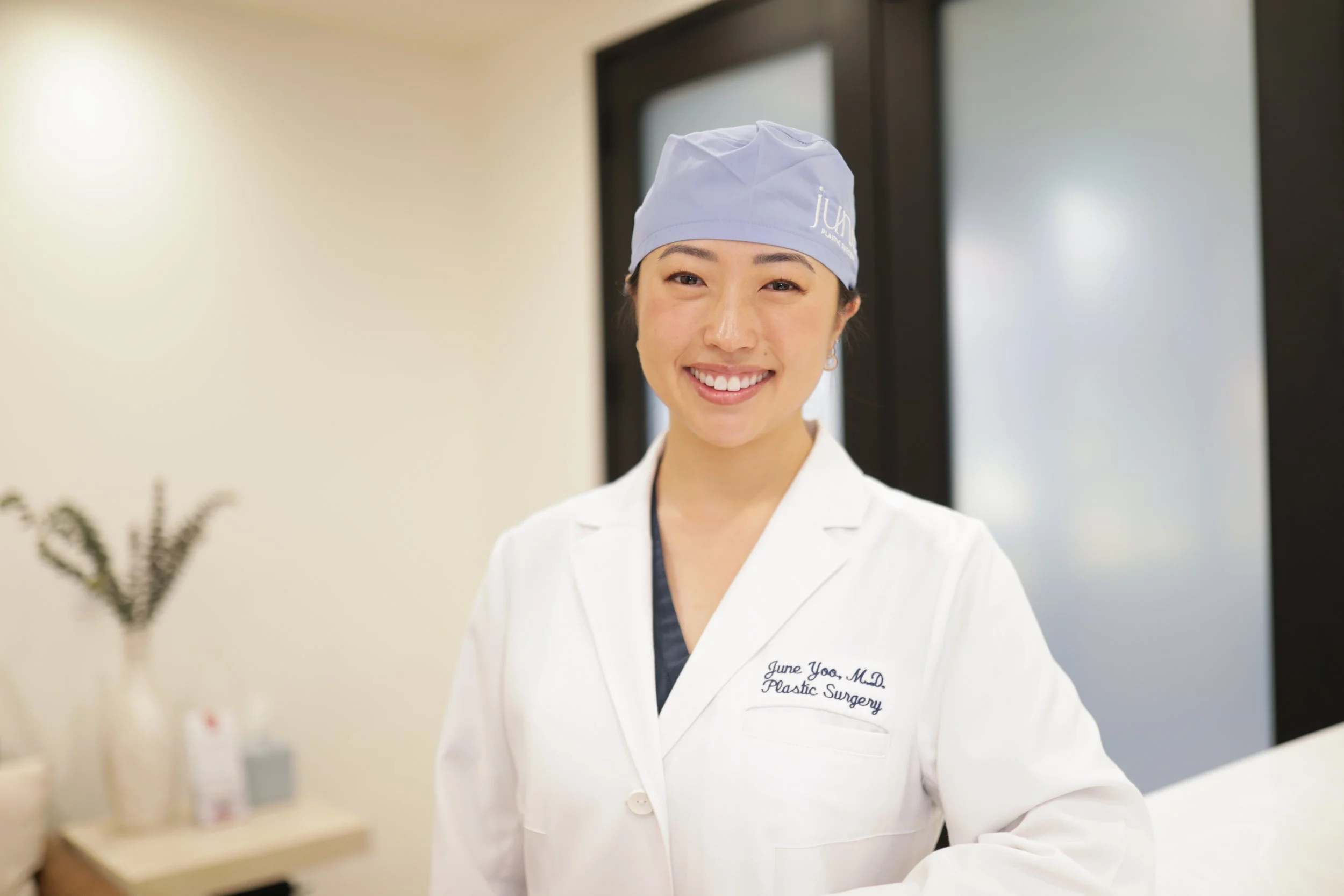
A brow that reflects who you are: rested, open, and proportional to your face.
Dr. June Yoo brings a meticulous approach to periorbital anatomy and a deep commitment to natural results to every brow lift she performs. If brow descent has been changing the way you look — or the way you feel about the way you look — we invite you to schedule a consultation and take the first step toward a more refreshed, balanced upper face.